
August 3, 2026
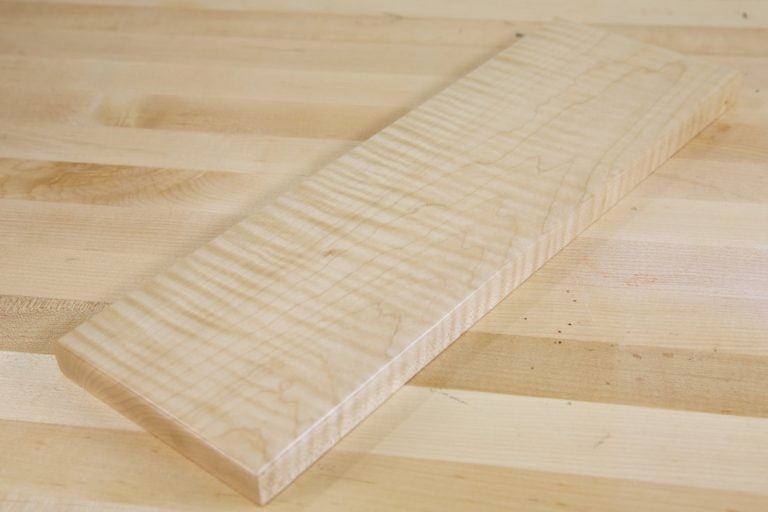
A plain maple board can do a job. Tiger maple changes the whole look of the piece. When customers ask about tiger maple wood uses, they are usually not asking whether it is strong enough. They are asking where that dramatic striped figure will actually pay off, where it may be wasted, and how to build with it without fighting the material.
Tiger maple is not a separate species. It is maple with a distinctive curly or striped figure, most often found in hard maple and sometimes in soft maple. That matters because performance still follows the base species. If the board is figured hard maple, you are getting the density, wear resistance, and machining behavior of hard maple along with the visual impact. If it is figured soft maple, the look may be similar, but the hardness and working properties shift.
The best uses for tiger maple are projects where the surface will be seen, appreciated, and finished in a way that lets the figure show. Furniture is the first category for a reason. Tabletops, cabinet doors, drawer fronts, bed components, and statement panels all benefit from that ribbon-like movement across the grain. On a plain utility shelf, tiger maple can be overkill. On a reception desk or dining table, it can be the feature that sells the whole project.
Custom furniture builders often choose tiger maple when they want a domestic wood that feels high end without going to an exotic species. It gives a piece energy and depth, especially under a clear finish or a carefully chosen dye schedule that highlights curl without muddying the natural color. For clients who want something premium but still rooted in a traditional American hardwood, tiger maple fits well.
Cabinetry is another strong use, but with some restraint. Full kitchens in heavily figured wood can feel busy if every door and panel has strong striping. In many cases, the better move is selective use. An island, a hood surround, a bar face, or upper cabinet accent doors can carry the figure while the rest of the room stays balanced. This is where board selection matters more than species name alone. Matching figure intensity across visible components takes planning.
Architectural millwork also deserves attention. Tiger maple can be excellent for feature trim, fireplace surrounds, wall panels, stair parts, and built-in focal areas. If the project needs subtlety, choose boards with lighter figure. If the goal is a wow factor in an office, library, or entry space, stronger striping can do the work. The key is scale. A little figured maple can elevate a room. Too much in a tight space can compete with everything else.
Among all tiger maple wood uses, tabletops are probably the most natural fit. The broad surface gives the figure room to read from different angles and under changing light. Dining tables, conference tables, coffee tables, and console tops all benefit from that movement. If the stock is properly dried and milled, figured maple makes a durable and memorable top.
This is also where construction choices matter. Because figured stock can show tear-out more easily during machining, sharp tooling and light cuts are worth the extra time. Wide glue-ups should be selected for figure flow, not just color match. A technically sound panel can still look disjointed if one board has heavy curl and the next falls flat.
Case goods are another strong category. Sideboards, dressers, jewelry boxes, and display cabinets often use tiger maple on drawer fronts, top panels, or framed door inserts. That lets the builder put the best figure where it counts while using more straightforward secondary stock where it will not be seen. This keeps material cost under control without sacrificing the finished look.
Tiger maple has a long history in musical instruments, especially where appearance matters as much as structure. Backs, sides, neck blanks, and decorative parts on stringed instruments often use figured maple because it reflects light beautifully under finish. Not every figured board is instrument grade, of course. Stability, grain orientation, and defect control all matter. But when the stock is right, few domestic woods make a stronger visual impression.
Smaller specialty pieces are also ideal. Knife scales, box lids, fireplace mantels, turned objects, display stands, and premium shelving details all make good use of tiger maple. These projects let the figure stand out without requiring large volumes of hard-to-match material. For serious DIY builders, this is often the smartest entry point. A small project gives you a feel for how figured maple machines and finishes before you commit to a full furniture build.
Flooring can be done in figured maple, but this is one of those it depends situations. Hard maple has the wear resistance for flooring, but a heavily figured floor may be more visual activity than many interiors need. In residential spaces, it can be striking. In commercial spaces, especially with a lot of natural light, the figure can either look premium or feel too busy depending on the design around it. It is usually better as a feature area than a default choice for every room.
The first advantage is obvious – appearance. The striped or rippling figure creates movement that plain maple cannot. Under the right finish, it can look almost three-dimensional. That is why it is so often chosen for statement surfaces.
The second advantage is that you are still working with maple. In hard maple form, that means good wear resistance, solid strength, and dependable service in furniture and interior applications. For builders who want standout grain without giving up the known performance of a domestic hardwood, tiger maple checks a lot of boxes.
The third advantage is flexibility in design. Tiger maple can fit traditional, transitional, and even modern work depending on cut, finish, and panel layout. A classic chest can wear it well, but so can a clean-lined slab desk. The figure is expressive, but the base color stays fairly adaptable.
Tiger maple is not always the right choice, and experienced builders know that figured wood asks for more from the shop. Machining can be less forgiving because grain direction shifts through the curl. Tear-out is a real risk with dull knives, aggressive passes, or careless planing. Scraping, sanding strategy, and finish testing matter more here than they do on plain stock.
Cost is another factor. Figured boards are premium material, especially when the curl is strong and consistent across wide, clear faces. If the figure will be hidden under paint, covered by heavy stain, or broken up into narrow structural parts, the extra cost may not make sense. Save it for the surfaces that sell the piece.
Consistency can also be a challenge. Two boards can both be labeled tiger maple and look very different. One may have gentle shimmer, the other bold striping. For cabinet runs, tabletops, or matched furniture sets, hand-selecting stock is worth the effort. That is one reason serious buyers often prefer a supplier that understands moisture control, grading, and figure selection rather than buying sight unseen.
Start with the application. If you are building a tabletop or set of doors, look for boards with figure that is attractive but reasonably consistent across the faces you plan to show. If you are building a mantel or one-piece feature panel, stronger contrast may be exactly what you want.
Then think about the base species. Figured hard maple is the better fit for wear-heavy surfaces and applications where hardness matters. Figured soft maple may machine a bit easier and can still be excellent for furniture, paneling, and trim, but it is not the same material in service.
Moisture content matters just as much as figure. Beautiful stock that is not properly dried can cause problems long after installation. For furniture, cabinetry, and interior millwork, stable kiln-dried material is part of the value. GPS Hardwoods cuts and dries its own lumber, which gives customers better oversight on quality and usable stock selection when a project calls for figured material that needs to perform, not just look good.
Finally, plan your finish before you mill the whole project. Tiger maple can look dramatically different depending on whether you use oil, clear film finish, dye, or a layered schedule. Some finishes make the curl pop. Others flatten it. Test samples are not optional if appearance is the reason you chose the wood in the first place.
If you use tiger maple where people will actually see it, and you build around its figure instead of treating it like ordinary stock, it earns its place fast. The best projects let the wood do some of the talking.