
August 3, 2026
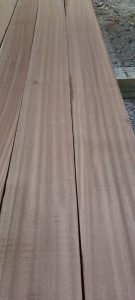 A board can look perfect on the rack and still be the wrong choice once the cutters start spinning. That is why sapele wood for projects deserves a closer look before you commit it to a tabletop, a run of cabinets, or a set of entry doors. Sapele has the visual pull that gets attention fast, but the real question is whether its movement, workability, and finishing behavior match the job you have in front of you.
Sapele is one of those species that sits in a useful middle ground. It has a richer, more formal appearance than many domestic options, but it is still practical enough for everyday shop work when the stock is properly dried and selected well. Color typically runs from medium reddish brown to deeper brown with a copper cast, and the grain can shift from fairly straight to interlocked with strong ribbon figure.
That figure is a big part of the appeal. On a flat panel, a door stile, or a wide tabletop, sapele can give you movement and depth that looks custom without needing heavy stain or tricks in the finish room. For clients who want a refined hardwood with presence, it often checks the box.
It also has enough hardness and density to hold up well in real use. That makes it a serious candidate for furniture, architectural millwork, cabinetry, mantels, trim details, and select flooring applications. It is not the answer to every build, but it is much more than a pretty exotic board.
Sapele tends to shine in projects where appearance and durability both matter. Interior doors, face frames, cabinet panels, furniture bases, conference tables, shelving, and statement tops are all strong uses. It is especially attractive when the design lets the grain run long and uninterrupted.
For custom furniture, sapele works well when you want a darker, warmer look than maple or ash, but do not want the price or softness trade-offs that can come with some alternatives. In cabinetry, it can bring a more upscale visual than standard oak while still offering good structural performance.
It is also used in exterior applications, particularly doors and protected millwork, because it has a track record of service when finished and maintained correctly. Still, exterior use always depends on design details, exposure, and finish schedule. If the project will take direct weather year-round, material choice should be discussed with the end use in mind, not assumed from species reputation alone.
If the goal is furniture, built-ins, high-end trim, doors, or custom tops, sapele is usually worth serious consideration. If the build calls for painted components, hidden structural parts, or very low-cost production work, it may be more wood than the job needs.
That distinction matters. A premium species pays off most when the grain, color, and surface quality are part of the finished result.
Sapele machines well with sharp tooling, but it is not a species you treat casually. The same interlocked grain that gives it that ribbon effect can also create tear-out during jointing, planing, or routing. If you are used to forgiving species, this is where sapele asks for a little more attention.
A lighter cut, slower feed where needed, and very sharp knives usually make a noticeable difference. Spiral cutterheads help. So does paying attention to grain direction before sending a board through a jointer or planer. On figured stock, a scraper or sanding strategy may save time compared with trying to force a flawless machined finish in one pass.
For hand tools, results can be excellent, but again, grain direction matters. Chisels and planes need to be sharp, and a higher cutting angle can help tame difficult areas.
On the assembly side, sapele glues well and generally behaves predictably if moisture content is under control. It also takes profiles cleanly for trim and millwork, though dense figured pieces may need a little more sanding discipline before finish.
A lot of wood disappointment gets blamed on species when the real problem is moisture. With sapele, proper drying is not a side issue. It is one of the main reasons one batch performs beautifully and another causes headaches.
When lumber is dried correctly and stored well, sapele is generally stable and reliable in service. That makes it a strong option for parts that need to stay straight and panels that need to behave over time. But if the stock is not at the right moisture content for the project environment, you can still see movement, joint stress, or finish issues just like with any other hardwood.
For cabinetmakers, furniture builders, and contractors, this is where buying from a supplier with direct control over milling and kiln drying can make a real difference. You are not just picking a species. You are picking how much confidence you have in what happens after the board leaves the rack.
Sapele usually finishes very well, and that is one reason it remains popular for visible work. Clear finishes tend to deepen the color and bring out chatoyance, especially on ribbon-striped or figured boards. Oil-based systems often add warmth. Waterborne finishes can hold the color a little lighter and cleaner.
The main caution is blotching and uneven absorption on some surfaces, especially if prep is inconsistent. Sanding scratches can telegraph under finish because the wood has natural luster and grain contrast. A careful sanding schedule and test sample are worth the time.
If the project includes stain, sample first. Some clients ask for sapele and then want it pushed much darker. That can work, but a heavy stain can flatten some of the natural depth that made the wood attractive to begin with. In many cases, a clear or lightly toned finish gives a better result than trying to make sapele look like something else.
Sapele is not glass-smooth by nature. Like other open-pored hardwoods, it may need grain filling if you want a dead-flat, formal finish on tabletops, panels, or conference surfaces. If you prefer a more natural texture, you can skip that step and let the wood read like wood.
Neither approach is wrong. It depends on the style of the piece and the expectations of the client.
Compared with genuine mahogany, sapele is often harder and a bit more pronounced in figure. That can be an advantage if you want stronger visual movement and good wear resistance. It can also mean a little more care in machining because of the interlocked grain.
Compared with red oak, sapele usually looks more refined and less coarse, with a richer color range. Compared with walnut, it generally offers a different visual story – more shimmer and ribbon, less chocolate depth. Compared with maple, it brings warmth and character more quickly, though not the same clean, pale uniformity.
So is it the right substitute or upgrade? Sometimes yes, sometimes no. If the project is all about calm, even grain, sapele may be too active. If the project needs visual energy and a premium hardwood look, it can be exactly right.
Not all sapele inventory is the same. Some boards are selected for straight grain and clean color. Others are prized for dramatic figure. Some are ideal for long stiles and rails. Others make more sense for panels, drawer fronts, or smaller parts where the grain can be featured without causing machining trouble.
That is why board selection matters so much. Look at grain orientation, consistency from board to board, width and length yield, and whether the figure supports or fights the design. If you are building matched cabinetry or a large furniture set, think beyond one beautiful board. Think about the whole run.
For buyers in the Triad area, working with a hardwood supplier that understands both milling and finished application can save time and waste. GPS Hardwoods helps woodworkers and contractors sort through species choice, board quality, and drying so the material fits the build instead of becoming a shop problem later.
Sapele is not always the smart choice. If cost control is the top priority and the wood will be painted, there are better options. If your tools are dull or your process is set up for quick production with minimal sanding, figured sapele can slow you down. If a client wants a very quiet, uniform grain pattern, another species may fit better.
That does not make sapele difficult. It just means it rewards good planning. The more visible and finish-driven the project is, the more value sapele tends to bring.
For the right build, sapele gives you strength, color, figure, and a custom look that stands out without looking flashy. Choose it when the wood itself is meant to be part of the finished statement, and it will usually earn its place in the project.