
August 3, 2026
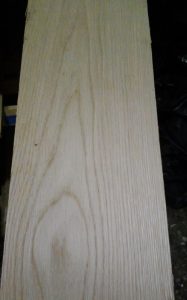
White oak can make a project look easy right up until the wood starts moving, machining poorly, or showing more color variation than you planned for. That is why choosing the right white oak lumber supplier matters as much as choosing the species itself. If you build cabinets, mill trim, make tabletops, or install flooring, the quality of the boards you start with will show up in every cut, glue-up, and finish coat.
A dependable supplier is not just selling boards by the foot. They are helping you control risk. With white oak, that usually means giving you stock that is properly dried, honestly represented, and consistent enough to build efficiently.
White oak is popular for a reason. It is strong, durable, and versatile, with a clean grain that works in traditional and modern spaces. It also has better rot resistance than many domestic hardwoods, which is one reason it shows up in flooring, furniture, millwork, cabinetry, and some exterior applications. But white oak is not one-size-fits-all. Flat sawn, rift sawn, and quarter sawn boards can behave very differently in both appearance and stability.
A supplier who understands that difference can save you time before the first board hits the jointer. Instead of forcing you to sort through mixed material with unclear moisture levels or inconsistent milling, they help you match the stock to the job.
The first thing to look at is moisture content. White oak that has not been dried correctly can create expensive problems later. Panels can cup, doors can twist, and tabletops can open at the seams. Kiln drying is not just a selling point. It is part of whether the lumber will perform once it reaches a conditioned shop or a finished interior.
That does not mean every kiln-dried board is equal. Drying has to be done with care. White oak is dense, and if the process is rushed, the result can be stress, checking, or internal defects that show up when you start machining. A supplier with direct control over cutting and drying has an advantage here because they are not guessing what happened before the load arrived.
Grade matters too, but grade alone does not tell the whole story. A high-grade board may still not be the right board for your project if the color is off, the grain is too active, or the widths are not practical for your parts list. On the other hand, a lower grade may be a smart buy if you are cutting smaller components and know how to work around character.
When you walk a lumber stack, pay attention to straightness, end checks, width consistency, and how much usable material you are really getting. White oak can be a premium species, so waste adds up quickly.
This is where experienced buyers separate a decent purchase from a great one. Flat sawn white oak usually gives you broader cathedral grain and is often the most economical option. It works well when that look fits the project and movement can be managed.
Quarter sawn white oak is a different conversation. It is valued for ray fleck, strong linear grain, and better dimensional stability. If you are building high-end cabinetry, furniture, or architectural millwork, quarter sawn stock often earns its higher price. Rift sawn material gives a cleaner, straighter grain with less fleck, which can be ideal for modern casework or table legs.
A good white oak lumber supplier should be able to explain those differences without overselling one cut as the answer for everything. It depends on your design, your budget, and how much visible consistency matters.
If a supplier cannot answer basic technical questions, that is a red flag. You should be able to ask how the lumber was dried, what moisture range it is in, whether the stock was sawn in-house or purchased, and what kind of variation to expect in color and grain.
You should also ask about thickness and surfaced options. Some shops want rough stock because they prefer to control final milling themselves. Others need surfaced boards to save labor. Neither approach is better across the board, but the supplier should be clear about what you are getting.
Lead time matters too. If you are bidding jobs or managing a build schedule, inventory reliability is not a small detail. White oak is common enough to be available in many markets, but the exact cut, thickness, and quality you need may not be sitting in every lumberyard. Serious buyers benefit from working with a source that understands recurring project needs and can help maintain consistency over time.
For many contractors and woodworkers, a local supplier offers practical advantages that online listings and big-box sources cannot match. You can inspect the stock, compare boards in person, and have a real conversation about the application instead of buying from a photo and a grade stamp.
That matters with white oak because appearance is part of the value. Two bundles may both be called white oak, but the color range, grain character, and percentage of clean usable faces can be very different. If you are matching an existing floor, building a run of cabinets, or selecting boards for a custom tabletop, in-person selection can make the result look intentional instead of close enough.
For buyers in the Triad, working with a local mill-backed supplier can also mean better access to specialty cuts, more confidence in drying practices, and less uncertainty about what will arrive on the trailer. GPS Hardwoods serves woodworkers, contractors, and serious DIY buyers who want that level of control without paying inflated specialty-market pricing.
It is easy to compare lumber by board foot price and stop there. In practice, the cheaper load can become the more expensive one if you lose hours sorting around warp, cutting off checks, or hunting for enough clear face stock to finish a job.
That is especially true with white oak because many projects depend on visual consistency. A low number on paper is not much of a win if your panels do not match or your flooring install pulls from too many color bands. Better boards usually machine better, glue up faster, and leave less behind in the scrap pile.
This does not mean you always need the highest grade available. It means you need the right grade and the right cut for the job. A reliable supplier helps you buy with yield in mind, not just sticker price.
Furniture builders often care most about grain, color harmony, and movement control in wider components. Cabinet shops may prioritize consistent thickness, dependable supply, and stock that finishes cleanly across multiple pieces. Flooring specialists usually need hardness, stability, and visual continuity across the run.
Those needs overlap, but they are not identical. A supplier who treats every white oak order the same is missing the point. The best conversations happen when the supplier asks what you are building, how the material will be milled, and what the final environment will be.
That is also where specialty services can matter. If you need custom dimensions, specific board selection, or kiln-drying support for customer-owned lumber, working with a mill that handles more of the process directly can make the whole job easier to manage.
You know you are dealing with the right source when the answers are clear, the inventory is represented honestly, and the material performs the way it was described. There should be no mystery about species, cut, or condition. You should feel like you are buying from people who understand wood movement, machining, finishing, and jobsite realities, not just moving inventory.
That level of trust is valuable with any hardwood, but especially with white oak. It is too good a species to waste on inconsistent drying, vague grading, or careless handling. When the supplier gets the basics right, white oak rewards you with strength, stability, and a finished look that holds up for years.
The best buying decision is usually not the fastest one. It is the one that leaves you with boards you can use confidently, whether you are building a single heirloom table or supplying material for a full commercial interior. Start with the grain, ask better questions, and choose a supplier that treats the wood like it matters.