August 3, 2026
Some boards sell themselves the moment you pick them up. Eastern red cedar lumber is one of them. The color contrast is striking, the scent is unmistakable, and the natural resistance to insects and decay makes it an easy favorite for closets, chests, accent walls, and outdoor projects where appearance matters.
That said, cedar is not a one-size-fits-all wood. If you are building fine furniture, paneling a room, lining a closet, or choosing stock for exterior use, it pays to know where this species performs well and where another hardwood may be the better call. Good results start with matching the wood to the job, not just the look.
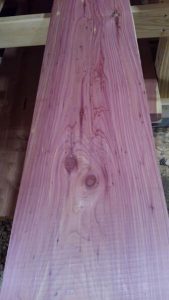
Eastern red cedar is technically a juniper, not a true cedar, but in the lumber trade the name is well established. What matters to builders and woodworkers is its combination of visual character and practical performance. Heartwood ranges from reddish purple to deep red, often beside pale sapwood that can create dramatic striping in the same board.
The aroma is another part of its appeal. Many customers choose it specifically for closet linings and cedar chests because of that classic scent and the long-standing association with insect resistance. It also machines fairly easily, is light in weight, and holds up well in applications where moderate decay resistance is valuable.
The flip side is softness. Eastern red cedar dents more easily than oak, maple, or ash, so it is not the first choice for hard-wearing tabletops, commercial counters, or flooring in high-traffic areas. It can also include knots, checks, and irregular grain depending on the cut and the source, which some buyers see as character and others see as a limitation.
The best projects for eastern red cedar lumber are the ones that benefit from its appearance, scent, and natural durability without demanding extreme hardness. Closet liners, hope chests, blanket boxes, and storage cabinets are classic examples because the wood brings both visual warmth and practical value.
Interior accent work is another strong fit. Cedar paneling, ceiling treatments, and decorative wall features can turn a plain space into something memorable. Because the species often carries vivid red heartwood next to bright sapwood, each installation has a more custom look than many uniform commodity boards.
For exterior projects, it can work well for shutters, gable accents, light-duty outdoor furniture, pergola details, and other above-ground applications. It is a reasonable option when you want a wood species with natural resistance and a distinct appearance, but design still matters. As always, exposure level, finish choice, and construction details will affect longevity.
Indoors, cedar earns its keep in spaces where atmosphere matters as much as structure. A lined closet, for example, is not just about storage. It is also about scent, visual warmth, and using a species with a reputation for helping protect stored textiles.
It also works nicely in smaller custom pieces. Drawer bottoms, cabinet backs, box interiors, and decorative panels are all places where cedar gives you a lot of character without asking the wood to do heavy structural work.
Outside, eastern red cedar can be a smart material when the design respects the species. It is better suited for trim, siding accents, planter boxes, and decorative components than for heavily loaded structural members. If the project will take abuse or repeated impact, there may be better choices.
Moisture management still matters. Natural decay resistance does not mean a board can ignore standing water, poor airflow, or bad joinery. A well-built cedar project usually lasts longer because the design helps the wood succeed.
Most woodworkers find cedar pleasant to machine, but it rewards a careful touch. Because it is relatively soft, aggressive feed rates, dull cutters, or rough handling can leave dents and tear-out. Sharp blades and bits make a visible difference, especially when you are trying to preserve crisp edges on paneling or trim.
Fastener choice matters too. Pre-drilling can help prevent splitting near ends or around knots. If you are gluing up wider panels, board selection becomes important because grain variation and knot placement can affect both appearance and stability.
Sanding usually goes quickly, but over-sanding soft grain can leave a washboard feel. Many builders get the best results by stepping through grits without forcing it. On show surfaces, that extra bit of care helps the red heartwood and creamy sapwood look intentional rather than rough.
This is where a lot of cedar projects either succeed or disappoint. A beautiful board that is not properly dried can move after installation, open up at joints, or cause finish problems later. That is especially true for interior work, furniture components, and custom millwork where fit and stability are not optional.
Kiln-dried stock gives you a more reliable starting point, especially when the material is heading into conditioned interior spaces. Moisture content should match the project and the environment as closely as possible. If you are building cabinetry, paneling a room, or making a custom top, buying wood that has been carefully processed is worth it.
That is one reason serious woodworkers and contractors often prefer buying from a mill or supplier with direct control over cutting and drying. When the same operation oversees the lumber from log to finished board, there is usually a clearer handle on moisture, quality, and selection. For buyers in the Triad who care about how the wood will perform after the install, that kind of oversight matters.
Not every cedar board is right for every project. If you are shopping for closet lining or rustic paneling, knots and color variation may be part of the appeal. If you are building a clean-lined cabinet door or a furniture panel, you may want straighter grain, fewer defects, and more consistent color.
Look first at the intended use. A decorative wall application can tolerate more visual movement than a glued-up panel that needs to stay flat. Then check moisture content, straightness, knot structure, and how much sapwood versus heartwood you want. Some customers want the dramatic contrast. Others want mostly red heartwood for a richer, more uniform look.
Board width and thickness also matter. Wider pieces can be great for paneling and statement work, but they should still be evaluated for cup, twist, and end checking. If the project has tight tolerances, it helps to talk through the use case with someone who understands the species and the stock on hand.
Cedar has plenty going for it, but good material decisions come from honesty, not hype. If your project needs high dent resistance, there are better options. If you want a very uniform, paint-grade appearance, cedar’s dramatic natural variation may work against you.
The aroma is a selling point for many people, but it can also be stronger than expected in enclosed spaces right after installation. Usually that is part of the charm, but it is still worth considering depending on the application. And while cedar is naturally durable, exterior performance still depends on proper design, finishing choices, and maintenance expectations.
Price and availability can shift as well, especially if you are looking for select boards with heavy heartwood content or specific dimensions. That is another reason to buy with the actual project in mind instead of shopping by species name alone.
If you want character, scent, low weight, and natural resistance to insects and decay, eastern red cedar lumber is a strong choice. It is especially effective in closets, chests, accent walls, decorative millwork, and selective exterior applications where beauty and practical durability both matter.
If your project demands maximum hardness, ultra-clean uniformity, or heavy wear resistance, you may be better served by another species. The right answer depends on where the wood will live, how the finished piece will be used, and how much natural variation you want to showcase.
At its best, cedar gives a project something that is hard to fake – real warmth, real character, and a look that does not feel mass produced. If you are planning a build and want boards that fit the job instead of forcing the job to fit the boards, ask questions up front and buy with purpose.